


PLYMOUTH, Mass. (AP) — In the months after the birth of her third child, Lindsay Clancy 's mental health collapsed. Unable to sleep and stricken with thoughts of harming herself, she sought care from experts in postpregnancy mood disorders, was put on multiple psychiatric medications, and when nothing worked, checked in to a psychiatric hospital.
Nineteen days after she was discharged, she strangled her three children at their Massachusetts home.
A jury heard opening statements Monday in Clancy’s murder trial, which is expected to feature dueling views about her mental state. Both sides agree she killed her children. They disagree over whether she should be held criminally responsible for their deaths.
The first witness was Patrick Clancy, her former husband, who found the children's bodies after returning home on the day of the killings in January 2023. He has said in interviews that he forgives his wife, and will testify for both the prosecution and the defense.
___
EDITOR’S NOTE: This story includes discussion of suicide. If you or someone you know needs help, the national suicide and crisis lifeline in the U.S. is available by calling or texting 988.
___
Patrick Clancy told prosecutors on Monday that a month before the killings, his wife began to describe intrusive thoughts of harming the children and of suicide, but she denied having plans to hurt them or herself. He said the situation was “very confusing” because moments later, she would be making the children lunch or playing with them.
“I never saw Lindsay harm the kids,” he told jurors.
Despite months of psychiatric care, changing medications and new providers, her condition worsened, he said. She became increasingly depressed, struggled to sleep and lost weight.
Patrick Clancy breathed heavily as photos of his children were projected for the jury.
Cora, 5, was shown in one image wearing a red bow and skirt. Her dad said she loved princesses. Dawson, 3, loved firefighters, fire trucks and “Paw Patrol.” Eight-month-old Callan “was just a happy baby,” his father said.
Clancy worked as a labor and delivery nurse at Massachusetts General Hospital, and Patrick testified that her anxiety about being separated from her children would increase as she got closer to the end of her parental leave.
Patrick Clancy testified that after his wife was discharged from the psychiatric hospital, the family tried to carry on with everyday life. They celebrated Cora’s birthday and visited the Museum of Science and a water park, where jurors saw video of Lindsay Clancy playing with the children. Patrick said she had returned to the gym and her moods appeared steadier.
However, on the day of the killings, “she was having one of her best days,” Patrick said. She took Cora to a doctor’s appointment while he stayed home with Dawson and Callan. The couple exchanged photos of the children by text — Dawson had just dressed himself for the first time — before she returned home to build a snowman and work on art projects.
Prosecutors say Lindsay Clancy strangled her children with exercise bands after sending her husband out on errands. She then used multiple methods to try to end her own life. She remains paralyzed from the waist down after jumping from a second-story window.
That day, Clancy said she heard voices telling her, “This is your last chance. Kill the children so you can kill yourself,” according to her lawyer.
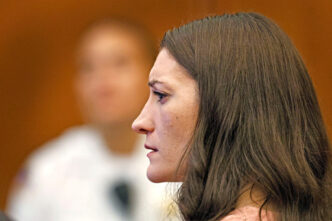
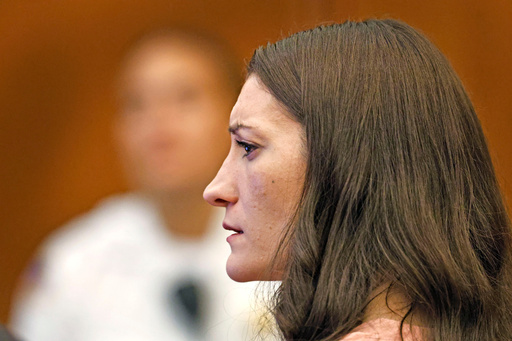
Seated in a wheelchair, Clancy wiped her eyes with a tissue at times as lawyers discussed her children.
Defense lawyer Kevin Reddington said Clancy had postpartum psychosis, a rare mental illness linked to the stress, sleep deprivation and hormonal changes that follow childbirth. He argued she had bipolar disorder and that antidepressants prescribed after the birth of her third child worsened her condition.
“She loved those children right up to the time of their death,” he told jurors, saying they would hear from family, friends, neighbors and teachers about her devotion.
Prosecutor Shanan Buckingham argued Clancy “acted intentionally, rationally and swiftly” and bears full responsibility for the deaths.
“This was not a woman in the throes of psychosis," Buckingham said. “This is not a public debate about women’s mental health and how the medical system treats women. This case is about this defendant, Lindsay Clancy.”
If convicted of murder, Clancy faces life in prison without parole. If found not guilty due to a lack of criminal responsibility, she would be committed to a state mental health facility.
Elyse Hershon, a Boston criminal defense attorney and legal analyst, said the verdict will likely depend on how the jury views Clancy’s “intent and mental capacity.”
“Whenever there are deaths of children, it rattles emotions,” Hershon said. “Some people naturally will identify and sympathize with Clancy and her postpartum depression, and others will not be able to understand how one could end their children’s lives, and demand responsibility.”
While postpartum depression is fairly common among women who have given birth, postpartum psychosis affects an estimated 1 to 2 women per 1,000 births and can include hallucinations, delusions and paranoia. Most women with the condition do not harm their children.
Possibly the best-known is Andrea Yates, who drowned her five children in a bathtub in Texas in 2001. Her attorneys said she suffered from postpartum psychosis and believed killing her children would save them from hell.
Her initial murder conviction was overturned, and in a retrial she was found not guilty by reason of insanity and committed to a state mental hospital.
Dr. Nicole Cirino of Baylor College of Medicine said women in the grip of postpartum psychosis often believe they are helping their children.
In their own minds, “they may be saving their children from damnation,” Cirino said.
Awareness of postpartum psychosis has grown since the Yates case, but Cirino and other maternal mental health advocates said it's rarely considered in criminal prosecutions. Illinois is the only state with a law allowing for undiagnosed or untreated postpartum depression or postpartum psychosis to be a mitigating factor in sentencing.
__
Willingham reported from Boston.