

By Daniela Julio-Cano, FOX23 News
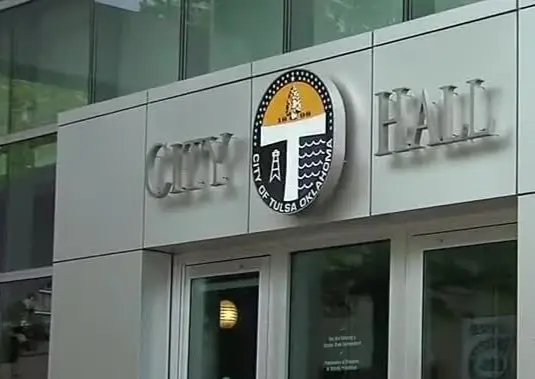
TULSA, Okla. — Tulsa voters will decide on Nov. 3 whether or not to nearly double the city’s hotel guest tax, increasing the rate from 5% to 9.9%.
The proposed increase would generate an estimated $20.6 million annually, according to supporters who say the additional revenue could help fund improvements at major venues, including the BOK Center, Arvest Convention Center and the Tulsa Performing Arts Center.
The current hotel guest tax rate has remained unchanged for more than 40 years.
Tourism leaders said Tulsa needs to keep pace with other cities that have increased their rates and invested in their entertainment and convention facilities.
“It’s critical that we keep pace with other communities in our region and around the country,” explained Brian Paschal, the Chief Executive Officer of the Lobeck Taylor Family Foundation. “Unfortunately, however, as it currently stands, we are not keeping pace.”
Paschal said Tulsa risks losing concerts, conventions and tournaments to competing destinations that have invested in their venues.
Supporters say the proposed increase could help Tulsa remain competitive, attract more events and encourage tourism.
They argue that tourism also supports local businesses and helps preserve the city’s historic buildings.
Macy Snyder-Amatucci, the CEO of Beautiful Hospitality and owner of the Mayo Hotel, said tourism helped make the hotel’s restoration possible.
“If it were not for tourism, we would not be here today,” Snyder-Amatucci stated.
The Mayo Hotel first opened in 1925 and closed its doors in the 1980s.
After sitting empty for nearly three decades, Snyder-Amatucci’s family purchased the property in the early 2000s and helped save it from demolition.
Following a preservation project and renovations, the building reopened as a hotel.
Visitors Lillian Lester and her daughter, Elizabeth Cail, who traveled from Edmond to Tulsa during fall break, said they support the idea of visitors helping pay for the upkeep of historic sites and attractions.
“Buildings like these need a lot of upkeep, especially the historical ones and to keep them as beautiful and working as they are, I think that’s more than fair for people visiting to help,” said Lester.
The pair said they had visited Tulsa before and appreciated the city’s attractions.
They also visited the Greenwood District for the first time during their latest trip.
Cail said preserving historic places is part of what makes Tulsa appealing to visitors.
The proposed tax would apply to people staying in hotels and short-term rentals, rather than being charged directly to Tulsa residents.
If approved, the increase is expected to generate approximately $26 million annually for tourism-related investments and venue improvements.
Tulsa voters will decide whether to approve the increase on Nov. 3.