

By Daniela Julio-Cano, FOX23 News
TULSA, Okla. — The City of Tulsa’s search for answers about the 1921 Tulsa Race Massacre continues at Oaklawn Cemetery, where investigators have identified 32 previously undocumented grave shafts during this year’s field season.
The investigation is now in its sixth field season.
On Tuesday, Oct. 13, field experts recovered three individuals from two excavation areas.
The remains were taken to an on-site osteology laboratory for further examination.
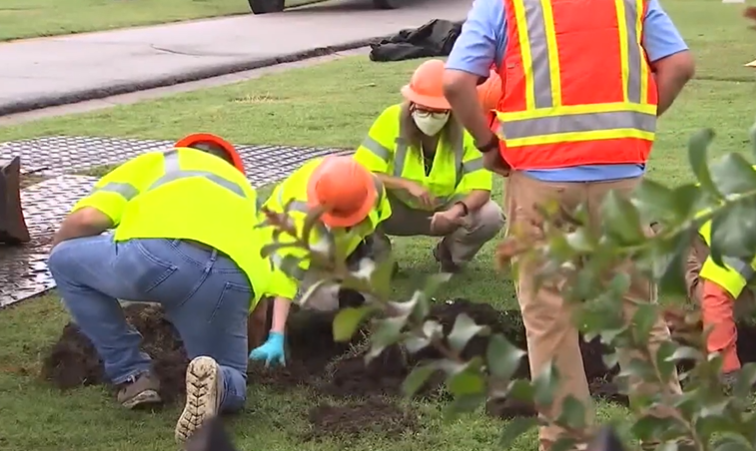
State Archaeologist Kary Stackelbeck said investigators are expanding their work beyond the cemetery’s western fence line, including underneath a nearby trail where some grave shafts were partially identified during last year’s field season.
The team has also identified six additional grave shafts entirely outside the western fence line and underneath the trail.
Stackelbeck said the 32 grave shafts identified this season were not previously known or included in the city records available to investigators.
“In total so far this season, we have documented 32 new grave shafts from undocumented graves that were previously not known or previously in any of the records that we know of from the city,” Stackelbeck said.
The discovery of a grave shaft does not necessarily mean remains have been recovered.
Investigators first identify and map the outline of a potential grave before carefully excavating it to determine whether someone is buried there.
Meanwhile, forensic anthropologist Dr. Phoebe Stubblefield and her team at the University of Florida are examining the three individuals recovered this season.
“We’re in early stages, very early stages,” Dr. Stubblefield explained. “All of our work begins with a cleaning phase.”
Although the individuals have not shown visible signs of trauma so far, she said further examination could reveal evidence that was not immediately apparent.
After the cleaning process, experts examine the bones again to look for possible injuries, including damage that may not have been visible during initial X-rays.
For descendants of survivors of the Tulsa Race Massacre, the investigation represents an ongoing effort to uncover the truth and bring healing to the community.
Brenda Nails Alford, a descendant of massacre survivors, said she appreciates being part of the work.
“I appreciate being able to do this work to bring some sense of justice and healing to our community,” shared Nails Alford.
Mayor Monroe Nichols has also emphasized the city’s continued commitment to seeking the truth and providing a sense of closure for families affected by the massacre.
The current field season is expected to conclude later in October, while laboratory examinations are expected to continue in November.