


By MICHELLE L. PRICE, SAMY MAGDY and ELENA BECATOROS Associated Press
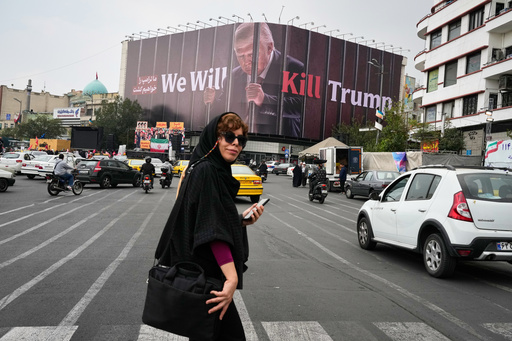
The United States launched strikes on Iranian targets, a U.S. official said, in what appeared to be a limited operation on the eve of Tuesday’s crucial midterm elections.
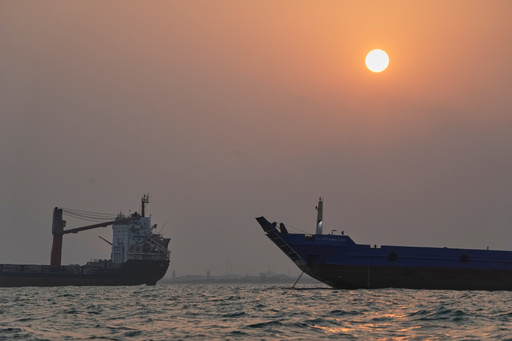
Iranian state media reported explosions being heard on the islands of Qeshm and Hengam in the strategic Strait of Hormuz, and in the nearby mainland area of Bandar Abbas. Unlike earlier in the war, the strikes were not publicly announced.
President Donald Trump previously said the U.S. wouldn’t launch strikes on Iran before the midterms. The unpopular war and the resulting impact on U.S. gasoline prices and other parts of the economy have been a vulnerability for his Republican Party as it tries to keep control of Congress.
A U.S. official, who wasn’t authorized to comment publicly and spoke on condition of anonymity, said Monday that the strikes targeted Iranians using surface-to-air missiles against the U.S. in the strait. The move came as Iran said it had a two-day plan to reopen the critical waterway, through which about a fifth of the world’s oil supply flowed during peacetime, and resume nuclear talks with the United States.
Vice President Vance buoyed hopes for a negotiated settlement
Back-channel negotiations have also been playing out as Israel and some Middle East allies lobby Trump on the way ahead in the more than 8-month-old war that’s rattled the global economy and wreaked havoc on Iran.
Speaking before the U.S. official confirmed strikes, U.S. Vice President JD Vance told reporters Monday that Trump “and I both feel pretty good about the prospects for potentially coming to a negotiated settlement.”
The Trump administration was last known to have carried out attacks in early September. But thousands of U.S. troops remain in the waters off Iran to maintain a naval blockade aimed at preventing tankers carrying Iranian oil from reaching the global market. A third aircraft carrier and thousands of additional troops are also on their way to the Middle East.
The region is on edge about the prospects of the U.S. resuming full-scale operations against Iran, and the new strikes were likely to renew concerns.
Netanyahu pushed Trump for strikes in a weekend call
Israeli Prime Minister Benjamin Netanyahu has pushed for another wave of strikes on Iran after the U.S. elections, according to two regional officials and a third person familiar with the matter.
A return to full-scale war with Iran could help Netanyahu form an emergency government after he and his far-right allies lost their parliamentary majority in last week’s elections. Trump has alternated between threatening major strikes and pushing for a deal with Iran.
The two officials said diplomatic efforts have made progress and that mediators are trying to advance a framework for Iran to cease its attacks in the Strait of Hormuz in return for the U.S. lifting its blockade on Iran’s ports.
They said more talks are planned for this week. The two officials spoke on condition of anonymity because they were discussing classified briefings they had received from American, and, in one case, Israeli officials. The third person, who was briefed on the call, was not authorized to comment publicly and also spoke on the condition of anonymity.
Iran says it has a 2-day plan to reopen the Strait of Hormuz
Iran has said it has a two-day plan to reopen the Strait of Hormuz and resume nuclear talks with the U.S. if Washington meets its demands.
Iran previously said the plan could be implemented within a week if the U.S. met seven conditions, including lifting its blockade. Iran now says ships passing through the reopened strait would have to follow a route agreed upon by Iran and Oman. Separately, Iranian officials have said the U.S. must lift sanctions on Iranian oil sales and agree to a ceasefire that would include Lebanon.
Iranian state television quoted the country’s chief negotiator and parliament speaker, Mohammad Bagher Qalibaf, as saying on Tuesday that Iran had “delivered a firm and rational response to the American side. The ball is now in America’s court to prevent war.” It was not immediately clear what response he was referring to.
Qalibaf also warned that Iran’s armed forces remained at the highest level of defensive readiness. “If Washington makes another strategic miscalculation, it should know that this time it will face a new battlefield and will find itself even more desperate than it is today,” he said.
___
Associated Press writers Aamer Madhani and Cara Anna contributed to this report.