

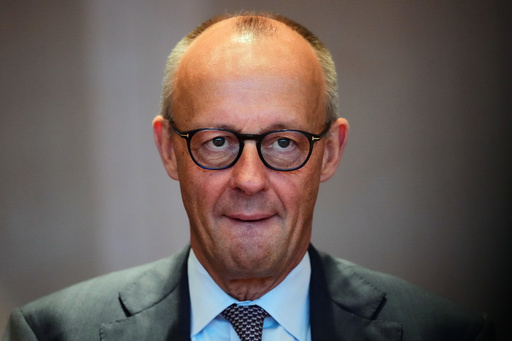
BERLIN (AP) — Polling stations opened on Sunday in two German state elections in which the far-right AfD party is expected to make further gains that could determine whether Chancellor Friedrich Merz can hold on to power and push ahead with reforms in Europe’s biggest economy.
The state elections are taking place in Mecklenburg-Western Pomerania, a largely rural region in the formerly communist and less prosperous east, and in the capital, Berlin.
The vote comes two weeks after the anti-migration, Russia-friendly Alternative for Germany, or AfD, finished just short of a majority in the small eastern state of Saxony-Anhalt, and has its best chance yet of forming the country’s first far-right regional government since World War II.
Merz’s authority was severely damaged by his party’s stinging defeat in the Sept. 6 election by AfD — a result that shocked many Germans who had believed their country had developed an immunity to nationalism and assertions of racial superiority after confronting the horrors of its Nazi past through education and laws to outlaw persecution.
The AfD is expected to make significant gains in Sunday's elections as well, but has no realistic path to power in Berlin and faces a much stronger challenge from Mecklenburg-Western Pomerania’s center-left governor than it did from Merz’s party in Saxony-Anhalt.
Prospects for Merz’s center-right Christian Democratic Union are bleaker. It could lose the mayor’s office in Berlin. If things go very badly, it could fail for the first time to win seats in a state legislature anywhere by falling below 5% of the vote in Mecklenburg-Western Pomerania, where it was already weak.
Merz, 70, became Germany’s leader 16 months ago with promises to turn around an economy that has barely grown in years, but has failed to lift a sullen national mood and has himself become deeply unpopular.
The strong showing of AfD in the Saxony-Anhalt election has further weakened the chancellor's standing on the national level as well, and in the past two weeks there have been calls even from within his own party to replace him as chancellor. No top-level allies have called publicly for his departure, and many have warned against “personnel debates.”
Apparently anticipating a tough postelection period, Merz abandoned a planned trip to New York next week to attend the U.N. General Assembly. Despite the strong headwinds, he has repeatedly said that he’s determined to stay on and finish his term as chancellor.