

By Devyn Lyon, Fox23 News
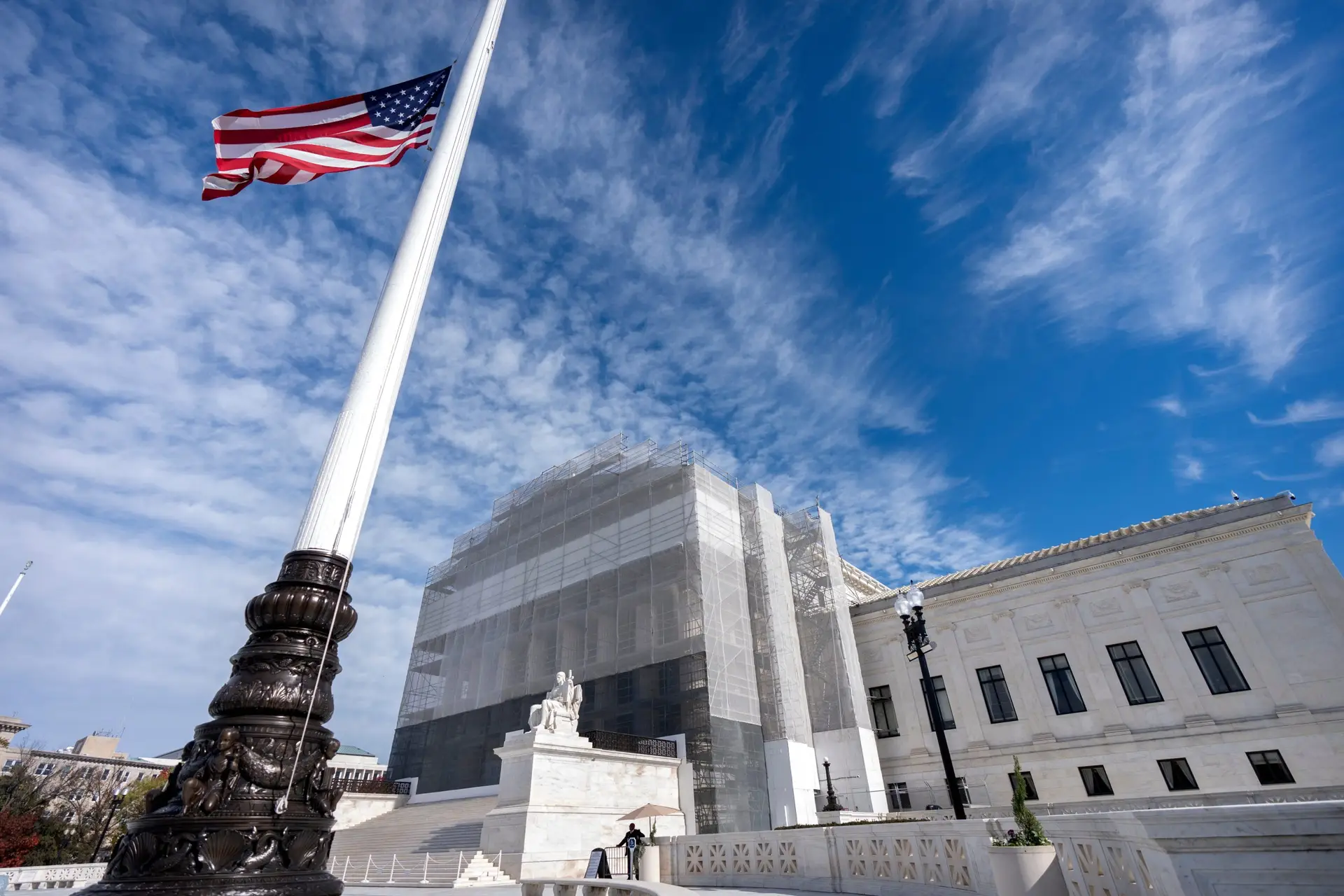
TULSA, Okla. — The future of birthright citizenship in the United States is now in the hands of the Supreme Court of the United States after justices heard arguments this week over whether a president can limit who automatically becomes an American citizen at birth.
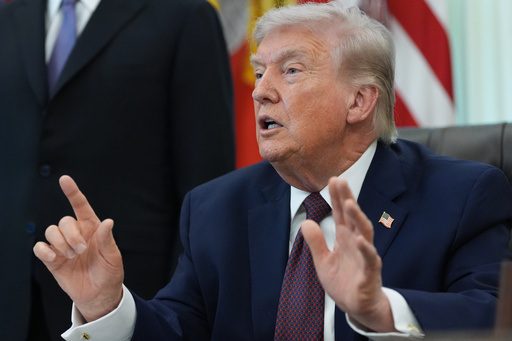
The case centers on an effort by President Donald Trump to restrict birthright citizenship so that it would only apply to children whose parents are already U.S. citizens.
During oral arguments, attorneys debated how the Constitution’s citizenship clause in the 14th Amendment should be interpreted.
“For decades following the clause’s adoption, commentators recognized that the children of temporary visitors are not citizens and illegal aliens lack the legal capacity to establish domicile here,” said D. John Sauer, the attorney for the president and the Solicitor General for the United States.
Cecillia Wang, the attorney for the respondents and the National Legal Director of the American Civil Liberties Union (ACLU), argued, “Ask any American what our citizenship rule is and they’ll tell you, everyone born here is a citizen alike. Virtually everyone born on U.S. soil is subject to its jurisdiction and is a citizen.”
For more than a century, the law has generally been interpreted to mean that anyone born in the United States automatically receives citizenship, regardless of their parents’ immigration status.
During the arguments, some justices questioned how a new policy might work in practice.
“How does this work?” asked Justice Ketanji Brown Jackson. “Are we bringing pregnant women in for depositions? What are we doing to figure this out?”
Government attorneys responded that the policy would depend on a parent’s legal immigration status at the time of birth.
At one point in the arguments, the court discussed how citizenship rules historically applied to Native Americans.
Justice Neil Gorsuch asked, “Do you think Native Americans today are birthright citizens under your test and under your friend’s test?”
Sauer responded, “I think so. Obviously, they’ve been granted citizenship by statute.”
That exchange raised questions about whether any change to birthright citizenship rules could affect tribal citizens in Oklahoma.
“There’s no risk to a loss of citizenship for tribal members. It’s only being brought up in hypotheticals to help interpret the 14th Amendment and how it may apply elsewhere.”
Immigration attorney Lorena Rivas with Rivas & Associates in Tulsa said existing court precedent has long recognized these children as citizens.
“Case law established that children of immigrants are U.S. citizens,” said Rivas.
However, she said families who could fall under new rules are watching the case closely.
“The government was making the argument that anybody born in the United States doesn’t necessarily qualify for citizenship if they’re children of immigrants because they’re under the jurisdiction of a foreign government. Anyone who fits those parameters is obviously concerned whether their citizenship is actually secure.”
Attorneys said if the Supreme Court ultimately changes how the Constitution is interpreted, the impact could be significant.
“It’s pretty monumental,” Wirth said. “It could change the law.”
A final decision from the Supreme Court is expected later this year.
Audio from the Supreme Court hearing is publicly available online here.
To learn more about Wirth Law Office, click here.
To learn more about Rivas & Associates, click here.