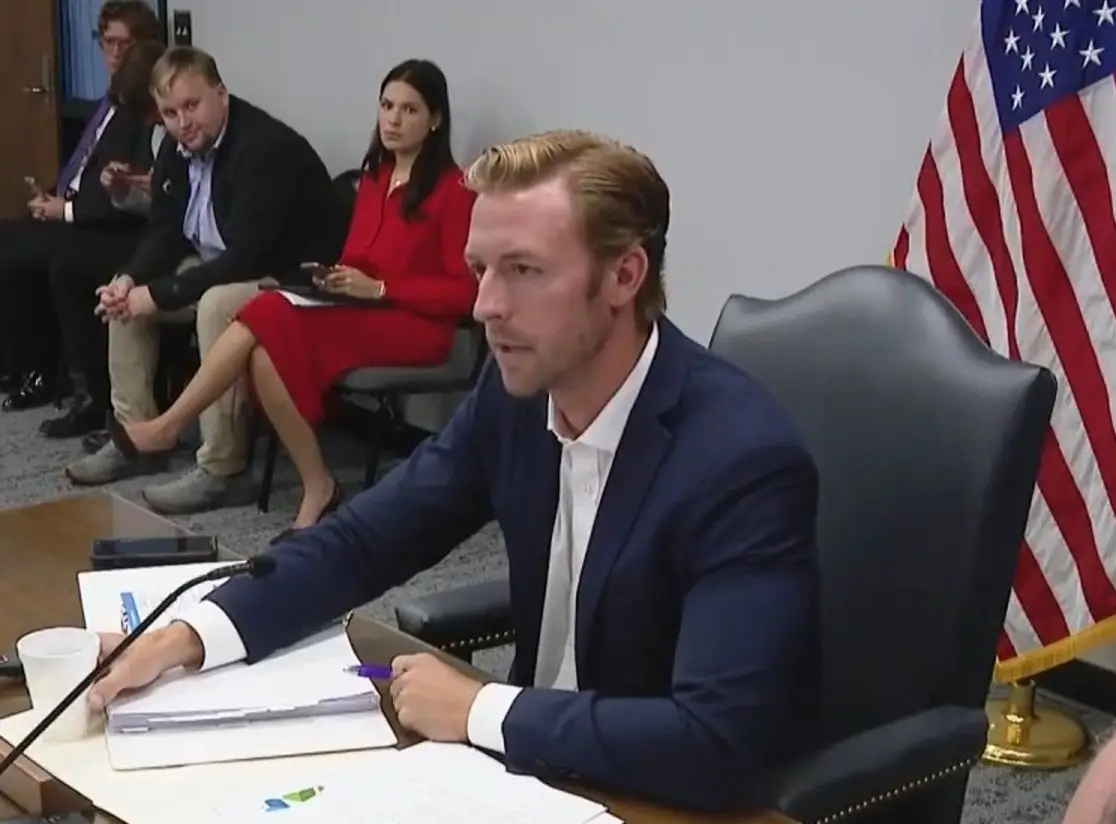


An oncologist traveling on the cruise ship at the center of a hantavirus outbreak has been cleared to leave a special biocontainment unit in Nebraska, where he was the lone American placed in isolation after he helped care for fellow passengers who became sick on board.
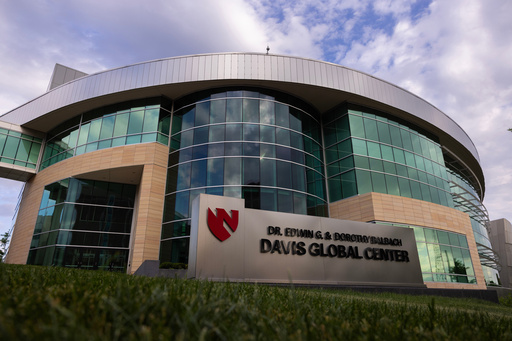
Dr. Stephen Kornfeld of Bend, Oregon, was among more than 120 passengers and crew evacuated from the ship and flown to different countries to enter quarantine. Kornfeld was brought to the University of Nebraska Medical Center in Omaha with 15 other Americans, but he was the only one taken to an isolated biocontainment unit after a nasal swab he took on the ship produced inconclusive results about whether he had the virus.
On Wednesday, the hospital announced that Kornfeld will now join the 15 other Americans who were taken for monitoring at the National Quarantine Unit, instead of the biocontainment unit, according to hospital spokesperson Kayla Thomas.
Kornfeld appeared on CNN’s “Erin Burnett OutFront” on a video call from his hospital room Tuesday, saying, “I feel wonderful, 100%."
He said there was a period on the ship when he came down with flu-like symptoms including night sweats, chills and fatigue but he said he has no symptoms now.
The World Health Organization said Wednesday that a total of 11 hantavirus cases linked to the cruise have been reported worldwide, including three deaths. Eight cases have been confirmed by laboratory tests.
Kornfeld said a nasal swab he took on the ship was later tested twice in the Netherlands. One result came back negative, the other positive. Earlier this week, he was awaiting results from a new test taken when he returned to the U.S.
“The initial test that we received was from abroad and it was inconclusive in its results,” Dr. David Fitter of the U.S. Centers for Disease Control and Prevention told reporters Wednesday.
In addition to the passengers taken to Nebraska, two other Americans are being monitored at the serious communicable disease unit at Emory University Hospital in Atlanta.
Health authorities say it is the first hantavirus outbreak on a cruise ship. While there is no cure or vaccine for hantavirus, the WHO says early detection and treatment improves survival rates.
Public health officials say the risk to the general public from the cruise ship outbreak is low. Hantavirus usually spreads from rodent droppings and is not easily transmitted between people, though the Andes virus detected on the Hondius may be able to spread between people in rare cases.
The WHO is recommending that passengers and crew from the cruise ship stay in quarantine, either at home or other facilities, for 42 days.
Kornfeld described his quarters at the biocontainment unit in Nebraska as a hospital room with a comfortable bed.
“It’s a little weird being in here by myself,” he said before he was cleared to leave. “But the nurses come in, the doctors come in. I’m on WhatsApp all the time. It’s really amazing how quickly time flies.”