

By Ian Nikkel, Fox23 News
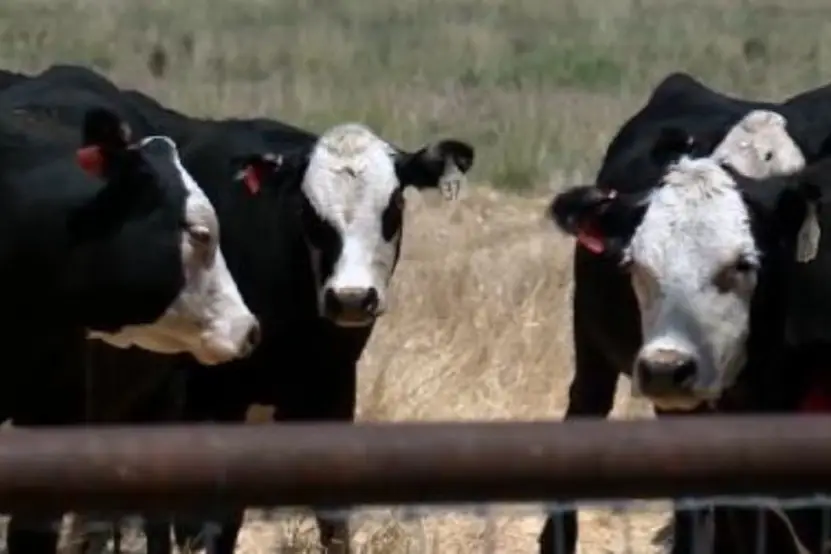
GREEN COUNTRY, Okla. — As Green Country continues to endure below freezing temperatures, our news partners at FOX23 reached out to an expert who explained the effects winter weather can have on livestock.
Beyond eating grass for food, many livestock animals are able to take the grass and hay they eat and turn it into heat.
For this reason, livestock usually need a bit of extra hay to create the body heat they need when grass is covered underneath a layer of snow.
“That actually goes through kind of a fermentation process in ruminants and creates heat,” shared veterinarian Dr. Rod Hall. “If they have an adequate body condition going into winter and these cold spells and they have some extra hay, they do very well.”
Young animals, such as foals, baby sheep and calves, will need extra care in order to be properly protected.
“They can definitely get too cold and it can cause lots of problems with them. Baby calves and baby sheep are very susceptible because when they’re born, they’re wet with all the birthing fluids. Animals like that don’t have the natural body or they’re not old enough to really take care of themselves.”
Dr. Hall also put an emphasis on having your livestock in good body condition.
Farmers and ranchers will often use a body condition score to determine the health of their animals.
While there are various ways to measure body condition, most use a one to ten scale, with one being incredibly skinny and 10 being obese.
Dr. Hall explained, “We’d like for our cattle to be in the range of like a four to six body condition score. That just means that they’ve got—if you were able to put your hand on them—they have just a light layer of fat over the back and over the muscles.”
Since the majority of Green Country saw snow instead of ice, cattle were able to benefit because it can act as a form of insulation.
If you have dogs and cats that live outside, experts ask that you continue to take precautions to keep those animals warm.
Green Country is set to face more extremely cold nights, even if snow is no longer falling.