

CAIRO (AP) — Iran-backed Houthi rebels struck Yemeni government forces with ballistic missiles on Monday, killing at least 53 soldiers at a military camp in one of the deadliest attacks since a resurgence in fighting this summer, Yemeni military officials said.
The attack wounded an additional 200 recruits at the military camp in the southern province of Shabwa, the provincial government there said. The rebels acknowledged targeting the camp.
The fighting between the Houthis and Yemen’s Saudi-backed government forces is a widening front in the Iran war that began in February. The escalation shattered a 2022 ceasefire deal that largely stopped fighting in Yemen’s civil war.
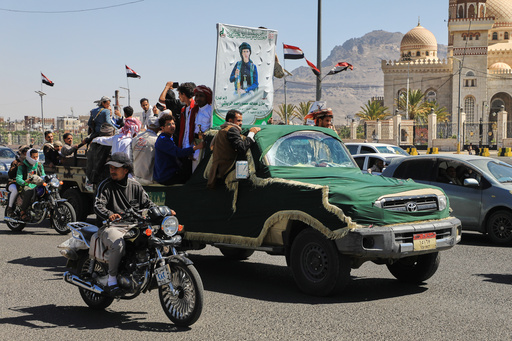
The Houthis have put their growing military capabilities on display on multiple fronts in recent weeks, repeatedly striking Saudi Arabia’s main international airport hundreds of miles (kilometers) away and seizing territory inside Yemen near a key shipping chokepoint.
Iran and its allies in Lebanon and Iraq provide expertise, training and sophisticated weapons to the Houthis, according to U.N. and other experts. Iran denies arming the Houthis, which would violate a U.N. embargo.
The provincial government in Shabwa said in a statement that the death toll is preliminary and may rise. It said the recruits were receiving training to be part of internal security forces.
“This bloody, treacherous attack targeted new recruits in the training and preparation phase and is considered an extremely critical military escalation and a blatant aggression on the security and stability of Shabwa province,” the statement said.
It called on Yemen’s president, the Saudi-led coalition and the government to expedite air defense and early warning systems to reinforce Shabwa’s capabilities.
The head of Yemen's ruling Presidential Leadership Council, Rashad al-Alimi, promised a “firm response” and said the attack reflects the Houthis’ "approach of resorting to cowardly terrorist attacks whenever they face pressures or their Iranian-backed sabotage plots falter.”
One Yemeni military official said the missiles struck while recruits were lining up in formation for a training session. The official spoke on condition of anonymity because they were not authorized to talk to the media.
On Sunday, an airstrike blamed on Saudi-led forces killed at least nine people in Yemen’s rebel-held northern province of Saada, the Houthi-run Health Ministry said. Five children and two women were killed in the attack, one of several that killed or wounded more than 30 people over the weekend, according to the rebels.
There was no immediate comment from Saudi Arabia.
The Houthis, a Shiite religious and political movement rooted in northern Yemen, are increasingly attacking Saudi Arabia because it supports Yemen’s internationally recognized government in the civil war. The Sunni kingdom, which has long feared the emergence of a well-armed ally of Shiite Iran on its border, joined the war in 2015 after the rebels seized much of northern Yemen, including the capital, Sana'a.
Monday marked five years since Houthis detained more than 20 Yemeni staff of the U.S. embassy in Sana’a. The embassy had suspended operations in 2015 but local staff still provided security and basic maintenance of the facility. The State Department on Monday called for their “immediate and unconditional release.”
In recent weeks, the Houthis have been targeting Saudi airports and oil and military facilities. The headquarters of Saudi oil giant Aramco has been struck as well in a blow to the world’s top oil exporter.
The rebels also recently seized more territory along Yemen’s Red Sea coast and near the Bab el-Mandeb Strait, a crucial shipping alternative to the Strait of Hormuz.
The Saudi-led coalition this month launched a major military offensive to dislodge the rebels from that strategic perch and retake the territory.
___
Associated Press writer Ahmed al-Haj in Aden, Yemen, contributed to this report.